Darknet Markets 2026:
The dark web is part of the deep web but is built on darknets: overlay networks that sit on the internet but which can't be accessed without special tools or software like Tor. Tor is an anonymizing software tool that stands for The Onion Router — you can use the Tor network via Tor Browser.
| Darknet Market | Established | Total Listings | Link |
|---|---|---|---|
| TorZon Market | 2022 | 140+ | Onion Link |
| Nexus Market | 2024 | 600+ | Onion Link |
| Abacus Market | 2022 | 100+ | Onion Link |
| Ares | 2026 | 100+ | Onion Link |
| Cocorico | 2023 | 110+ | Onion Link |
Updated 2026-07-28
Get a Stable Link to Nexus for Easy Shopping
The primary entry point to the Nexus platform is its official market link. This link provides direct and reliable access, bypassing common network obstacles that can disrupt service. Users typically acquire this URL through encrypted messaging services or dedicated darknet forums, which helps maintain its integrity and reduces the risk of phishing attempts.
Once the correct link is obtained, it facilitates a stable connection to the marketplace. This stability is fundamental for all subsequent activities, as it ensures that the interface loads consistently and transaction processes are not interrupted. The technical infrastructure supporting this link often employs rotating mirrors and anti-DDoS measures, which contribute to the platform's overall uptime and reliability. This direct access method is a practical solution for maintaining continuous availability in the decentralized darknet environment.
A Simple Interface for Easy Shopping on the Darknet
The Nexus market link provides a structured gateway to a platform where the user experience is prioritized. The interface design reduces operational friction, allowing for efficient navigation through product categories and vendor stores. This logical organization is a functional necessity for any high-volume commercial environment, including the darknet.
Product discovery is streamlined through a search and filter system. Users can sort listings by price, vendor rating, or shipping location. Each product page presents detailed specifications, including purity, quantity, and country of dispatch, which supports informed decision-making. The purchasing mechanism mirrors standard e-commerce workflows: selection, cart addition, and checkout, making the process familiar and reducing user error.
The checkout procedure integrates escrow services and encrypted communication channels by default. This design embeds transactional security into the core user journey. The system's reliability is evidenced by consistent uptime and rapid page loading, which are critical metrics for maintaining user trust and platform stability in a decentralized ecosystem.
How Vendor Ratings Make Buying Safer
The vendor rating system is a foundational component for establishing trust within the darknet marketplace ecosystem. It functions as a crowdsourced reputation mechanism, where past transaction data is aggregated into a quantifiable score. This score, typically presented as a percentage or a multi-star metric, provides an immediate, visual indicator of a seller's historical reliability.
These ratings are generated from direct user feedback across several critical parameters. Buyers evaluate vendors on:
- Product quality relative to the advertised description
- Shipping speed and the use of professional stealth packaging
- The accuracy of order fulfillment and weight
- The vendor's communication responsiveness during the process
High cumulative ratings, especially over a large number of transactions, signal consistent performance. The system allows for detailed review commentary, offering qualitative insights beyond the numerical score. This transparency reduces information asymmetry between buyer and seller, enabling more informed purchasing decisions. A vendor with a sustained high rating has a strong economic incentive to maintain it, as their market visibility and sales volume are directly correlated with their reputation score. This creates a self-regulating environment where quality and reliability are financially rewarded.

Safe Shopping with Escrow on the Darknet
The escrow system is a fundamental transactional security feature on the Nexus platform. It functions as a neutral third-party holding service for funds during a purchase. When a buyer places an order, their payment is held by the market's escrow system and is not released to the vendor until the buyer confirms satisfactory receipt of the product. This mechanism directly addresses the inherent risk of fraud in anonymous environments by aligning the financial interests of both parties with the successful completion of the deal.
The operational workflow is straightforward:
1. Funds are secured in escrow at the time of order confirmation.
2. The vendor is motivated to ship the correct product promptly to initiate the release of funds.
3. Upon delivery, the buyer finalizes the transaction, triggering the escrow to pay the vendor.
4. In cases of dispute or non-delivery, the funds remain protected, allowing for mediation and potential refund.
This creates a self-enforcing environment of trust. Vendors with consistent successful releases from escrow build their reputation, while buyers shop with reduced financial risk. The system effectively automates a basic form of trade assurance, making the darknet marketplace more predictable and secure for routine commerce. It removes the need for blind faith, replacing it with a verifiable and controlled financial process that protects every transaction by default.
A Huge Selection of Products on the Darknet
The platform's catalog is defined by its extensive range, which directly addresses diverse consumer demand. This variety is not merely quantitative but is structured across clear categories, enabling efficient navigation. Common product groups include stimulants, psychedelics, pharmaceuticals, and cannabis products, each with numerous sub-varieties and sourcing options.
The breadth serves a functional purpose for market stability and user safety. A concentrated market with few products increases reliance on specific vendors, whereas a dispersed catalog with many competing listings fosters vendor accountability through direct competition. This environment incentivizes higher quality and accurate product descriptions, as vendors compete on specifications and customer feedback rather than on the mere availability of a substance.
From an analytical perspective, the variety also mitigates risk for the ecosystem. It reduces the impact of supply chain disruptions for any single commodity, ensuring platform resilience. For the user, it facilitates informed decision-making by allowing for comparison of:
- Purity levels and lab testing results between similar listings
- Pricing models across different geographic origins
- Shipping methods and stealth packaging options from various vendors
This competitive landscape, supported by detailed listings and vendor rating systems, transforms a simple product search into a data-driven procurement process. The result is a marketplace where choice directly contributes to transactional security and consumer satisfaction, as users can select offers that best match their specific requirements for quality, cost, and logistical reliability.
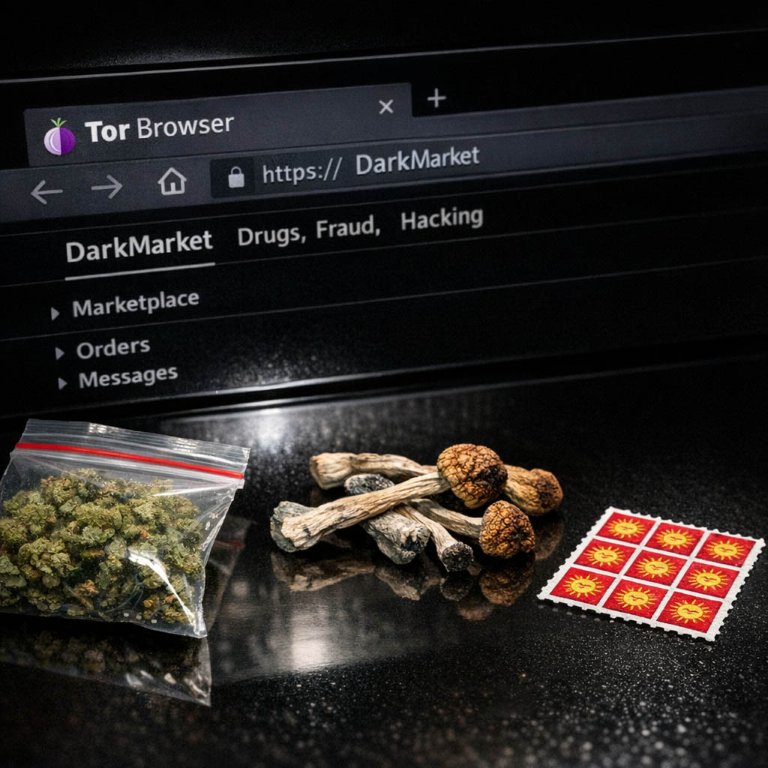
Clear Listings for Confident Buying
The quality of product listings on a darknet platform directly correlates with transaction success and user satisfaction. The Nexus market link provides access to a standardized listing format that eliminates ambiguity. Each listing functions as a comprehensive data sheet, requiring vendors to include specific, verifiable details.
Listings contain high-resolution photographs of the actual product, often with verification codes or timestamps to confirm authenticity. The chemical composition, purity percentage, and precise weight are mandatory fields, providing a factual basis for comparison. Descriptions detail the origin, production method, and intended effects, moving beyond marketing language to practical information.
The structure allows for efficient filtering and comparison. A buyer can assess:
- Pricing per unit weight across different vendors.
- Historical batch consistency from vendor feedback.
- Shipping options and costs presented transparently.
This level of detail supports informed decision-making. It reduces transactional disputes by establishing a clear pre-purchase agreement on product specifications. The platform's design incentivizes vendors to compete on informational clarity and accuracy, which raises the overall standard of commerce. The result is a more predictable and professionalized purchasing environment where choices are based on empirical data rather than uncertainty.
How Platform Tools Make Buying on the Darknet Safer and Smarter
The integrated features of the Nexus platform create a structured environment that directly enables safer and more informed transactions. The direct market link provides a reliable entry point, eliminating the risks associated with searching for fraudulent mirrors. Once inside, the straightforward interface reduces user error, allowing for clear navigation and precise selection.
Critical decision-making is supported by transparent vendor ratings and detailed product listings. These elements offer essential data points:
- Historical performance metrics from previous buyers.
- Specific information on product purity, origin, and expected effects.
- Photographic evidence and batch-specific details.
This data shifts purchasing from a speculative activity to an evaluated one. The mandatory escrow service acts as the final safeguard, holding payment until order fulfillment is confirmed. This system aligns vendor incentives with honest conduct, as funds are only released upon buyer satisfaction. Together, these components form a closed loop where access, information, and financial security interact to minimize uncertainty and establish a predictable framework for commerce on the darknet.

How a Smooth-Running Darknet Market Makes Buying Easier
The operational framework of a well-maintained darknet marketplace is defined by its uptime and transactional consistency. A reliable Nexus market link provides uninterrupted access, which is the foundation for all subsequent activities. This stability allows for predictable and routine procurement cycles, eliminating the uncertainty often associated with such environments.
Efficiency is measured by the seamless integration of core features. The straightforward interface reduces time spent on navigation, while detailed product listings and vendor ratings accelerate the decision-making process. This design minimizes user effort from search to final selection.
The transaction mechanism itself is a critical component of reliability. The use of escrow services automates and secures the payment process, releasing funds only upon satisfactory fulfillment. This system protects all parties and enforces a self-regulating economic model where vendor performance is directly tied to reputation and financial reward.
Ultimately, platform reliability translates to a consistent user experience where:
- Access is predictable via stable links.
- Information from listings and ratings is accurate and actionable.
- The escrow system enforces fair exchange without external arbitration.