Darknet Markets 2026:
The dark web is part of the deep web but is built on darknets: overlay networks that sit on the internet but which can't be accessed without special tools or software like Tor. Tor is an anonymizing software tool that stands for The Onion Router — you can use the Tor network via Tor Browser.
| Darknet Market | Established | Total Listings | Link |
|---|---|---|---|
| TorZon Market | 2022 | 140+ | Onion Link |
| Nexus Market | 2024 | 600+ | Onion Link |
| Abacus Market | 2022 | 100+ | Onion Link |
| Ares | 2026 | 100+ | Onion Link |
| Cocorico | 2023 | 110+ | Onion Link |
Updated 2026-07-28
How Tor Enables Safe and Private Trade on the Darknet
The Tor network provides the foundational layer of anonymity for modern darknet commerce. It functions by routing a user's internet traffic through a series of volunteer-operated servers, encrypting the data multiple times. This process effectively conceals both the user's physical location and their online activity from surveillance and traffic analysis. Accessing a darknet market requires a specialized browser, with the .onion address serving as a direct gateway to these platforms, which are not indexed by conventional search engines.
This architectural design creates a secure environment for trade. Sellers can list products without revealing their identity or operational base, while buyers browse and make purchases with a significantly reduced risk of their activities being traced back to their real-world identity. The anonymity afforded by Tor is not absolute, but it establishes a critical barrier that shifts the balance of privacy toward the user. It enables a free market where the exchange of goods is determined by supply and demand rather than geographical restrictions or legal frameworks.
The integration of Tor with other technologies completes the ecosystem. Anonymity alone does not facilitate trade; it requires systems for payment and trust. Thus, the role of Tor is specifically to create the private channel through which all subsequent interactionssuch as cryptocurrency payments and escrow negotiationssecurely flow. This separation of identity from transaction is the core principle that allows these markets to operate and persist, fostering a resilient digital marketplace model.
How Cryptocurrency Makes Buying Drugs on the Darknet Private and Easy
The integration of cryptocurrency is fundamental to the operational security and success of modern darknet markets. These digital currencies provide a decentralized payment layer that aligns perfectly with the anonymous nature of the platforms. Unlike traditional banking, cryptocurrency transactions occur directly between user-controlled wallets, bypassing financial institutions that require personal identification. This creates a financial privacy that cash cannot achieve in digital spaces.
Transactions typically use privacy-focused coins like Monero (XMR) or, historically, Bitcoin with mixing services. Monero is particularly valued because its blockchain obscures sender, receiver, and transaction amount by default. This makes financial activity on a darknet market highly resistant to external analysis. The process is straightforward:
- A buyer funds their market wallet from their private cryptocurrency wallet.
- The market holds the funds in escrow until the order is completed.
- Upon finalization, the cryptocurrency is released to the vendor.
This system empowers users by giving them direct control over their funds until they are satisfied with a transaction. The pseudonymous nature of cryptocurrency addresses, combined with the network anonymity provided by Tor, establishes a robust framework for private commercial exchange. It demonstrates how technological tools can be combined to facilitate trade where discretion is the primary requirement.
How Escrow Makes Buying on the Darknet Safer
The escrow system is a foundational mechanism for establishing trust in darknet transactions, where traditional legal recourse is absent. It functions as a neutral third-party service that holds the buyer's cryptocurrency payment until the order is fulfilled. This process directly addresses the inherent risk of fraud by aligning the incentives of both buyer and seller.
The transaction follows a clear sequence:
1. A buyer places an order and sends the payment to the escrow account controlled by the marketplace.
2. The seller is notified that funds are secured and then ships the product.
3. Upon delivery, the buyer confirms receipt, triggering the release of funds from escrow to the seller.
This model effectively mitigates two primary threats: sellers failing to ship products after payment and buyers falsely claiming non-receipt. The system's efficacy is enhanced by its integration with the marketplace's feedback and review structure. A successful escrow release allows the buyer to leave a detailed review, which becomes a public record of the seller's reliability. Disputes are handled through a moderated resolution center where evidence, such as shipping proof, can be submitted. The escrow agent, typically the marketplace administration, then arbitrates, ensuring a structured approach to conflict that would otherwise undermine the platform's integrity. By automating and securing the payment cycle, escrow transforms anonymous trade from a high-risk endeavor into a functioning commercial ecosystem based on verified performance rather than identity.
How Product Choice and User Reviews Make the Darknet Work
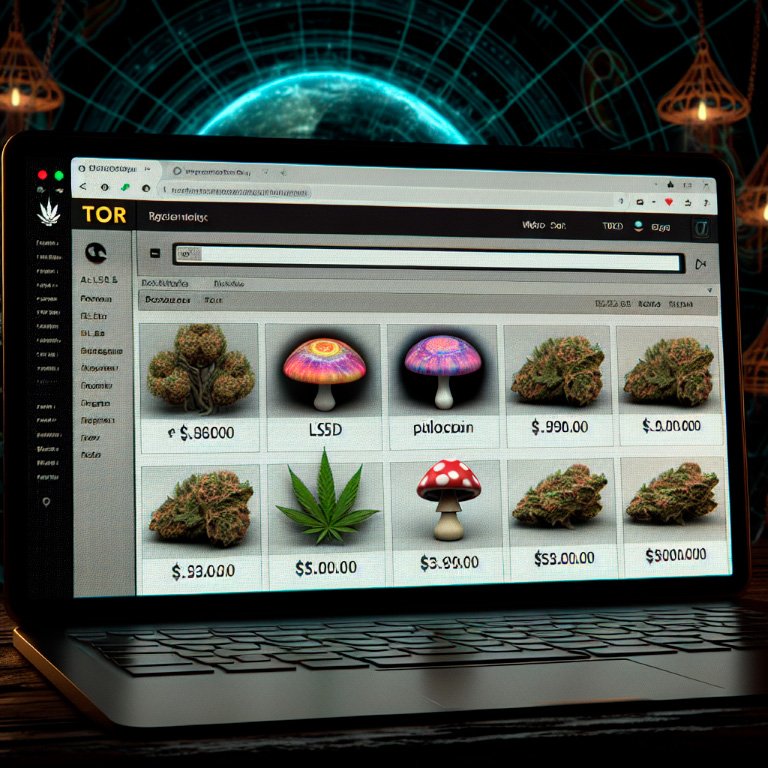
The product variety on modern darknet markets is vast, surpassing the selection found in many traditional illicit settings. These platforms function as decentralized digital supermarkets, where vendors from across the globe list their products. A user can find categories ranging from common substances to prescription medications and specialized chemicals, each with detailed descriptions, purity levels, and country of origin. This extensive catalog is made possible by the global reach and vendor competition inherent to the platform model, which drives both diversity and quality specialization.
This variety is made navigable and trustworthy through a robust system of detailed buyer reviews. Each transaction typically concludes with an opportunity for the buyer to leave feedback, which includes:
- Numerical ratings for product quality, shipping speed, and stealth.
- Written descriptions of the experience and product effects.
- Photographic evidence of the received package and product.
The review system creates a transparent and self-regulating environment. Vendors with consistently high ratings and positive reviews gain a trusted reputation, which is visually highlighted on their store page. This feedback loop incentivizes vendors to maintain high standards, as poor reviews or scams are immediately visible to the entire community and directly impact future sales. For the buyer, this archive of community feedback serves as a critical tool for risk mitigation, allowing for informed decisions based on the aggregated experiences of dozens or hundreds of previous customers.
How Darknet Markets Build Trust for Buyers
The operational model of modern darknet markets inherently fosters a transparent shopping experience that rivals or exceeds conventional e-commerce. This transparency is not a byproduct but a foundational requirement for sustained operation in an anonymous environment. It is built upon three interconnected pillars: vendor reputation systems, detailed product listings, and public community feedback.
Every vendor profile features a dynamic rating score and a public transaction history. Buyers rely on these metrics, which are difficult to falsify due to the cryptographic nature of the platform. A vendor with thousands of completed sales and a rating above 95 provides a quantifiable measure of reliability. Product listings themselves are exceptionally detailed, often including high-resolution photographs, precise weight measurements, purity information, and batch-specific data. This level of detail reduces uncertainty and sets clear expectations.
The transparency mechanism is most evident in the public review and forum system. After a transaction is finalized, buyers leave detailed feedback covering product quality, shipping speed, stealth packaging, and communication. These reviews are immutable and linked to the specific purchase, preventing fake testimonials. Forums allow for broader discussions about vendor performance and product efficacy. This creates a self-regulating ecosystem where vendors are incentivized to maintain high standards, as poor performance is immediately visible and impacts future sales. The escrow system complements this by ensuring financial trust, while the review system ensures qualitative trust, together forming a complete and transparent framework for informed consumer decision-making.

How Community Reviews Make Darknet Shopping Safer
The community feedback system is the cornerstone of trust and quality assurance on modern darknet markets. Unlike traditional e-commerce, where reviews can be manipulated, the pseudonymous yet persistent nature of user profiles on these platforms creates a self-regulating environment. Every transaction concludes with a mandatory review, where buyers rate the product's quality, the shipping speed, and the vendor's communication. This generates a transparent vendor reputation score, a critical metric for informed decision-making.
Detailed buyer reviews provide specific, actionable data. Users report on the exact weight of the product, its purity, and the stealth of the packaging. This level of detail allows potential buyers to assess reliability before committing funds. A vendor with hundreds of positive reviews and a high rating is statistically a safer choice, as building such a reputation requires consistent performance over time. The system effectively crowdsources quality control, creating a competitive marketplace where vendors are incentivized to maintain high standards to protect their business.
The process works in tandem with the escrow system. Funds are held in escrow until the buyer confirms satisfactory receipt of the order. Only then is the vendor paid, and the buyer is prompted to leave feedback. This mechanism ensures that reviews are based on completed transactions, preventing fake reviews from users who never actually purchased the product. The resulting ecosystem is remarkably efficient for discerning shoppers, who can leverage collective experience to minimize risk and access a consistent level of product quality, directly facilitated by the platform's design.
How Darknet Markets Keep Running Smoothly
The operational model of modern darknet markets demonstrates significant resilience, primarily due to its decentralized and community-driven architecture. Unlike centralized platforms, these marketplaces operate as agnostic platforms where the community of vendors and buyers self-regulates through feedback and reputation systems. This structure allows the marketplace to persist even if individual vendors or specific storefronts are compromised, as the core platform and its escrow services remain functional.
Adaptability is a cornerstone of this resilience. Market administrators continuously integrate enhanced cryptographic protocols and adopt new privacy-focused cryptocurrencies to stay ahead of conventional tracking methods. The escrow system itself is a key adaptive feature, evolving from simple third-party holds to more sophisticated multisignature (multisig) transactions. In a multisig setup, funds require two or three cryptographic keys to be released, typically held by the buyer, vendor, and marketplace. This distributes trust and significantly reduces the risk of exit scams by a single party, thereby strengthening the entire ecosystem's integrity.
The model's strength is further evidenced by its rapid recovery from disruptions. When a marketplace is voluntarily shut down or seized, its user base and vendor lists often migrate en masse to alternative platforms, a phenomenon known as "market migration." This is facilitated by the standardized use of:
- Tor for anonymous access
- Cryptocurrency for financial transactions
- Encrypted communication channels
This standardization creates a portable ecosystem where trust and reputation, though platform-specific, can be re-established based on proven operational history. The consistent demand for discreet commerce ensures that the underlying model not only survives isolated failures but thrives, encouraging continuous innovation in user security and transactional reliability.
How the Darknet's Support System Makes Drug Trade Reliable
The operational stability of a modern darknet marketplace relies on a sophisticated support ecosystem. This infrastructure extends far beyond the core platform, encompassing specialized forums, encrypted communication channels, and independent review sites. These components function symbiotically to create a resilient environment for commerce.
Vendor reputation is cultivated and verified through dedicated feedback forums and external review boards. Here, buyers share detailed experiences, creating a transparent record of reliability and product quality that is difficult to falsify. This decentralized trust mechanism is a cornerstone of the ecosystem, reducing the need for centralized authority.
Technical support is provided by a network of independent developers and security researchers who offer tools and guides for enhancing operational security. This includes:
- Customized cryptocurrency tumbling services for improved financial privacy.
- Secure communication protocols beyond the standard platform messaging.
- Best-practice tutorials for package stealth and logistics.
The ecosystem demonstrates significant adaptability. When a primary marketplace experiences downtime or seizure, the surrounding forums and communication networks facilitate the rapid migration of vendors and buyers to new platforms. This redundancy ensures the continuity of trade, with trust and reputation data often preserved and transferred through community-driven archives.
This interconnected network of services validates the darknet market model as a persistent and self-sustaining digital economy. It evolves through direct community input and technological innovation, consistently refining the processes for anonymous trade and secure transactions.